
It's Time for Aeration & Overseeding for Fescue Lawns!

Army Worm Control

Protect Your Lawn from Army Worms!
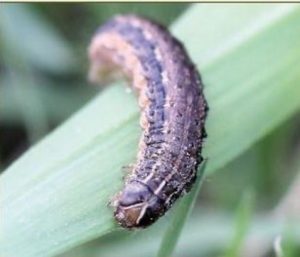
We have been notified by our entomologist that we will be expecting high activity from army worms this fall and winter. We do offer a preventative treatment to protect the lawns from any army worm activity.

We have already received reports that a few of our clients are already seeing army worms invading their lawns.

If you notice more than 3 army worms in your lawn, we highly recommend contacting us so that we can start treating your lawn. Some of the signs to look out for are the grass turning brown and the blades showing signs it has been eaten. The grass that has been turning brown will recover as the roots are still alive, and the treatment will help control insects for 30 days.

If you are interested in this treatment, please contact us today to receive a proposal.

FAQs

1: What are army worms and how do I know if I have them?
Army worms are the larvae of a moth that invade lawns in large numbers, chewing through grass blades rapidly. Signs of an infestation include large patches of brown or bare grass that appear suddenly, often seemingly overnight.

2: When is army worm season in Georgia?
Army worm outbreaks in the Atlanta area most commonly occur in late summer and early fall — typically August through October. However, infestations can happen earlier in warm years. Early detection is critical to minimizing damage.

3: How fast can army worms damage a lawn?
Very fast. A large army worm infestation can devastate an entire lawn in just a few days. If you notice unusual browning or see small caterpillars in your grass, call us immediately — prompt treatment makes a major difference.

4: How do you treat army worm infestations?
We apply targeted insecticide treatments that eliminate active army worms quickly and help protect your lawn from further damage. Our team will assess the extent of the infestation and recommend follow-up care if needed.

5: Will my lawn recover after an army worm attack?
In most cases, yes — especially if the infestation is caught and treated early. Warm-season grasses are often resilient and can bounce back with proper care. We can advise on any overseeding or recovery treatments needed after an outbreak.

Request A Quote